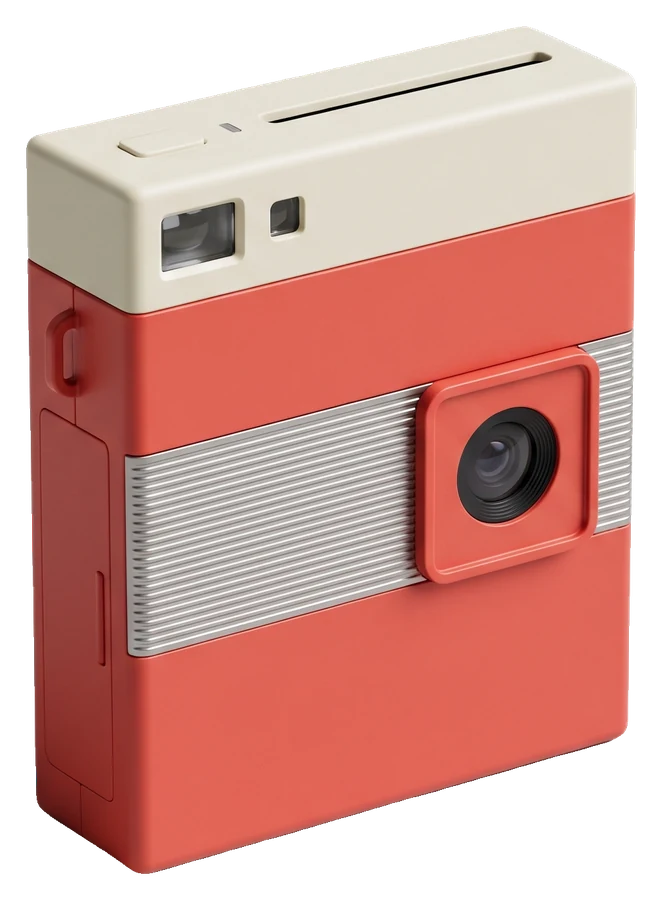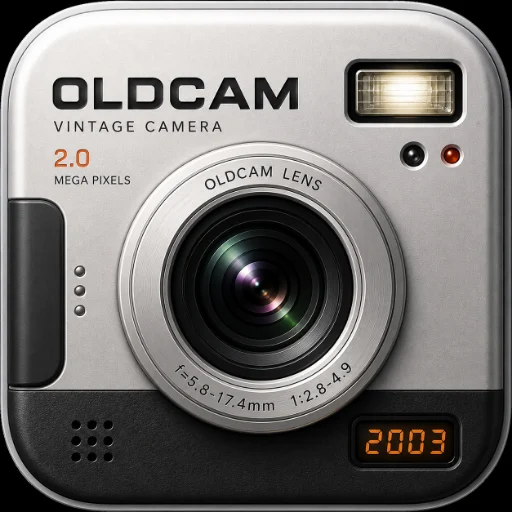
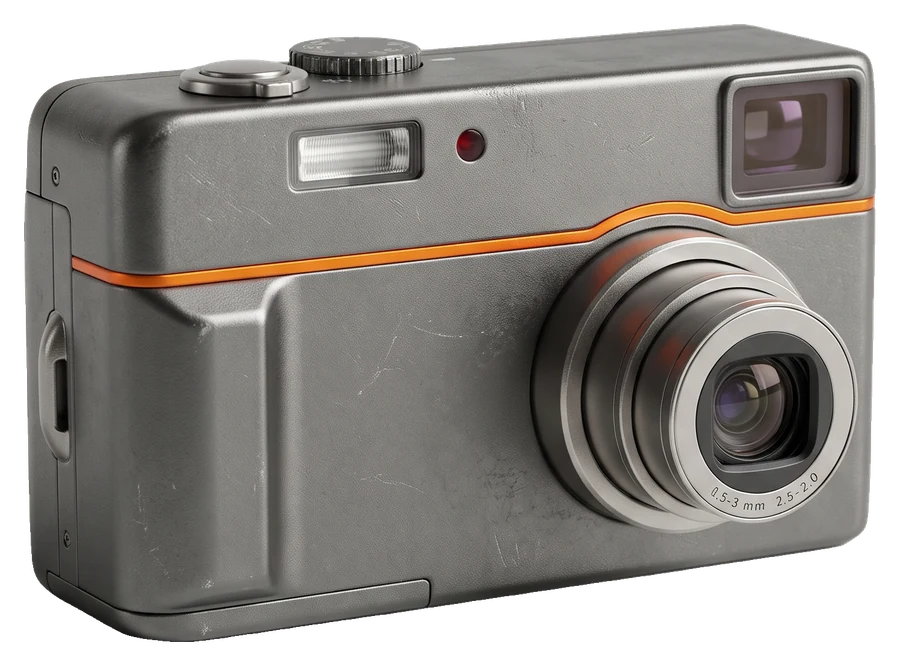
The digicam trend turned forgotten drawer cameras into some of the most searched gadgets online. If you want one, you can absolutely find a good one. You can also spend a lot of money on a camera with a dead battery door and a lens that refuses to open. This guide covers both: what to buy, what to check, and when you are better off keeping the money.
What "digicam" actually means
A digicam is a small point-and-shoot digital camera from roughly 2000 to 2010: a tiny sensor, a zoom lens that slides out when you switch it on, a built-in flash and a little LCD on the back. Their photos have a recognisable look, with bright highlights that clip to white, punchy in-camera colour, a bit of noise and that hard, direct flash. We explain the science in what the CCD camera look is.
The camera families worth looking for
Rather than one "best" model (prices and stock change weekly), look for these well-known compact ranges from the mid-2000s:
- Canon PowerShot and IXUS (sold as ELPH in the US and IXY in Japan): slim metal bodies, warm colour, the most hyped family online. Popular, so usually the priciest.
- Sony Cyber-shot W and T series: the T series has the sliding lens cover; many store photos on Memory Stick cards rather than SD.
- Nikon Coolpix S series: slim and often cheaper than the Canon equivalents.
- Fujifilm FinePix and Olympus compacts: good colour, but many use xD-Picture Cards, which are harder to find today.
- Casio Exilim: very thin, fast to start, a favourite for party photos.
As a rule of thumb, a model that ran on standard SD cards and has an easy-to-find battery will save you the most hassle.
Check these five things before you pay
- The lens opens and closes. A "lens error" message is the classic failure on compacts that were dropped or got sand inside.
- The battery and charger are included. Most use a model-specific lithium battery. Replacements exist, but quality varies.
- The memory card type. SD is easy. Memory Stick Pro Duo and xD-Picture Card mean buying an old card and a reader.
- Test photos from the seller. Some cameras made around 2002 to 2004 had a known sensor fault that shows up as purple, black or garbled images.
- The flash fires and the screen is readable. The flash is half of the look.
The hidden costs
| Item | Typical extra cost |
|---|---|
| Camera (popular models, resale sites) | Often €60 to €200+, depending on model and condition |
| Spare battery and charger | €10 to €30 |
| Memory card and card reader for your phone | €10 to €25 |
| Getting photos onto your phone | Time: every photo goes through a reader or a computer |
None of this is a reason not to buy one. Carrying a separate camera changes how you shoot, and friends react differently to it. Just know the full price before you start bidding.
When to skip the hardware
Skip it, or wait, if you mostly want the look for Instagram and TikTok, you hate charging one more device, or you would rather not lose a €150 camera at a festival. That is exactly the gap a phone app fills: the photo lands straight in your camera roll, ready to post.
OldCam recreates the digicam look live in the viewfinder, so you see the clipped highlights, noise and amber date stamp before you shoot. The Original camera and look are free forever; OldCam Pro unlocks all 8 cameras and 11 looks.


The honest answer
If you love objects and do not mind the admin, buy a used compact from one of the families above and check it carefully. If you want the look tonight, in your pocket, with nothing to charge, start with an app. Plenty of people do both: the app every day, the real camera for special nights.